
Recognise Christ in the poor and marginalized- Archbishop Banda
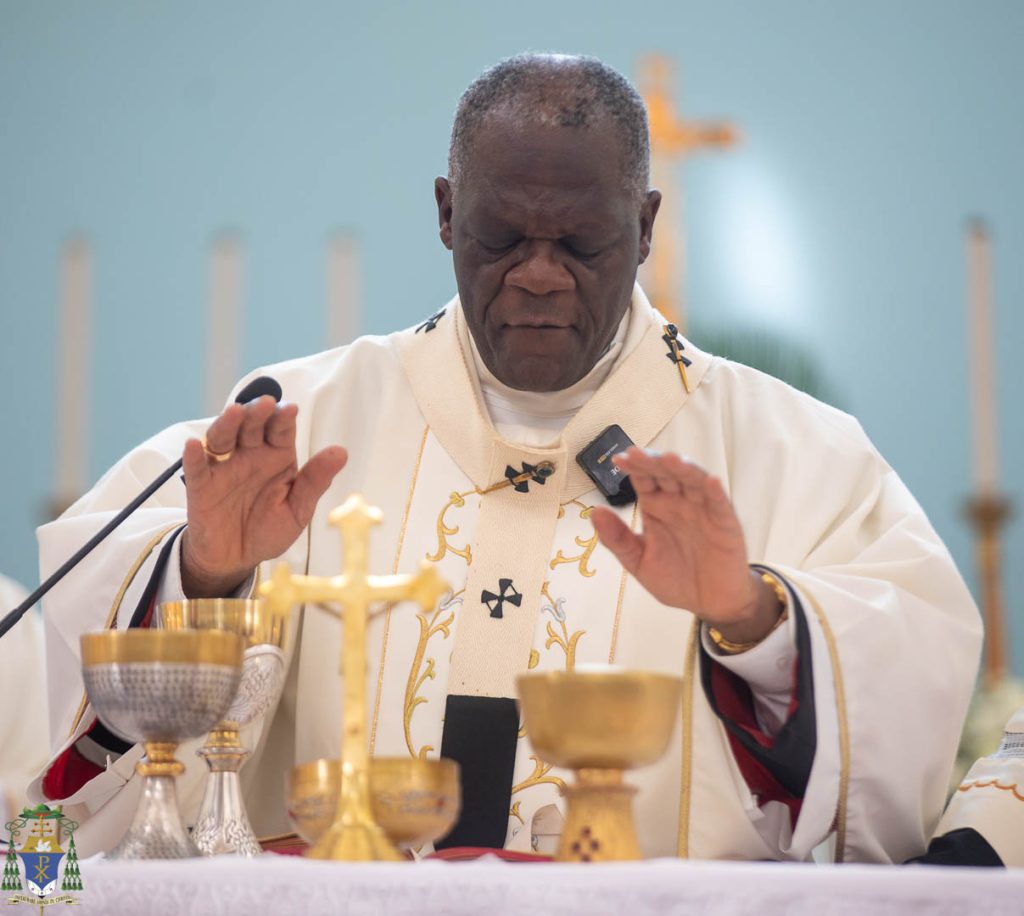
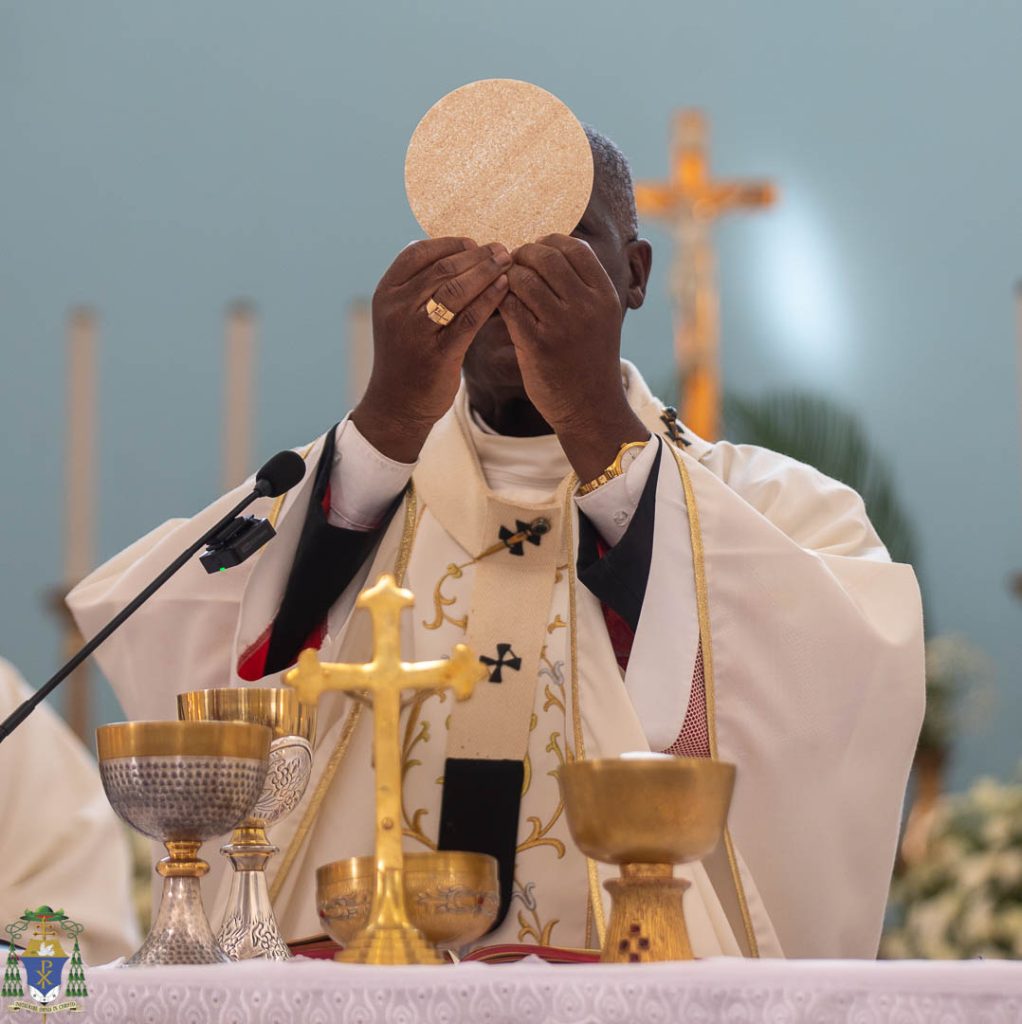
On the Solemnity of Christ the King, His Grace, Most Rev. Dr. Alick Banda called on the faithful to demonstrate their loyalty to Christ through genuine love, compassion and service to the poor and marginalised, saying the true measure of Christian faith lies not in social status, academic achievements or material wealth, but in how people treat those in need.
In his homily, Archbishop Banda reminded the faithful that Christ’s kingship is founded on truth, holiness, justice, mercy and peace and not earthly power and wealth.
He said the Gospel presents Christ as the eternal King who identifies himself with the hungry, thirsty, strangers, sick and imprisoned, making acts of charity central to the Christian understanding of faith and final judgment.
“On that day of judgment, our eternal King identifies himself entirely with the hungry, the thirsty, the stranger, the imprisoned and the sick. And this encounter teaches us that true loyalty is found in humble service,” Archbishop Banda said.
He challenged Christians to examine their attitudes towards people who perform low-income and often overlooked jobs, including housekeepers, gardeners, marketeers, street vendors, beauticians and other service providers.
The Archbishop questioned whether people accord such individuals the dignity they deserve or look down upon them because of their economic circumstances.
“How do we relate with these? Do we look at them with scorn? Or do we look at them with that kind of an eye that offers dignity to all these?” he asked.
Drawing from the Gospel of Matthew 25:40, Archbishop Banda emphasised that Christ’s identification with the vulnerable makes every act of kindness or neglect towards another person a direct encounter with the Lord.
“Truly I tell you, just as you did to one of the least of these, you did it unto me,” he quoted.
He further recalled the conversion of St. Paul on the road to Damascus, when Christ identified himself with the persecuted Christians, telling Saul: “I am Jesus of Nazareth, the one you are persecuting.”
Archbishop Banda said this encounter reinforces the Christian responsibility to recognise Christ in those who suffer, adding that faith must inspire practical compassion rather than remain confined to religious observances.
He broadened the understanding of poverty beyond material deprivation, pointing out that hunger is not only the absence of food but also the lack of love and acceptance, while homelessness can mean having nobody to turn to for belonging and support.
He also drew attention to children, vulnerable adults and victims of abuse who lack protection, as well as orphans, widows, widowers and single parents who often experience different forms of social and emotional vulnerability.
The Archbishop observed that thirst should also be understood in terms of people’s need for employment opportunities, fair wages, clean water, proper housing, sanitation, medical care, freedom, justice and peace.
Similarly, he said imprisonment extends beyond physical detention to include those trapped by a lack of information, knowledge and opportunities to make informed decisions and live independent lives.
“Every charitable work or charitable act that we do is done to the Lord. So let us treat one another, even the least among us, with respect and decorum because we shall account for all our acts or our omissions,” he said.
Emphasising the importance of recognising the contribution of people whose work is often taken for granted, Archbishop Banda urged the faithful to appreciate those who provide personal care and other everyday services.
He humorously observed that without beauticians, nail technicians and hairdressers, many people would struggle to maintain their appearance, reminding Christians that such workers deserve respect and appreciation for the services they render.
“Loving God in the poor and the needy is the key that opens all the doors,” he said, reiterating that genuine love for God must be reflected in how people treat one another, particularly those on the margins of society.
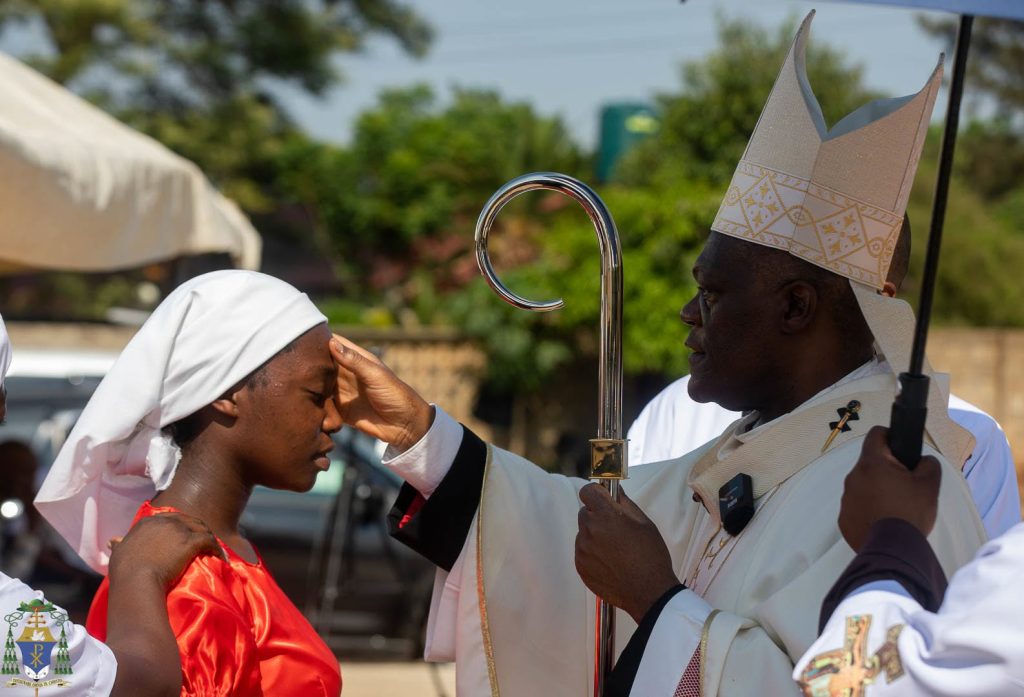
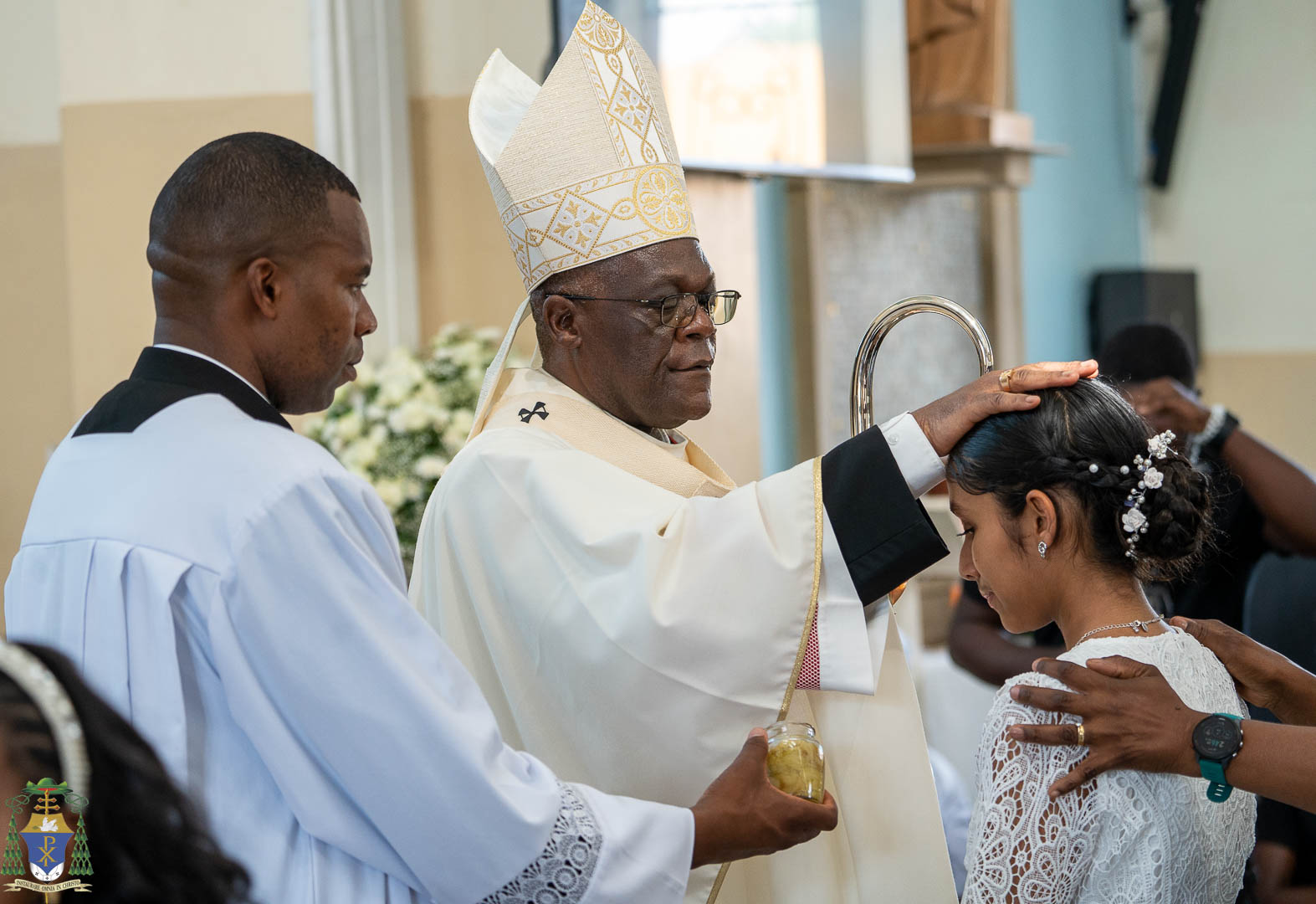
To the confirmed, Archbishop Banda urged them to remain close to God through prayer and to understand Confirmation as the beginning of a deeper commitment to Christian life and witness.
He said the sacrament allows them to become witnesses to Christ, not merely through their words but, more importantly, through their actions and daily conduct.
“It is easy for us to have so many numbers of people that are coming for Confirmation. Two years down the line, we shall only remain with a few. Then we start asking questions: Where are the rest?” he observed.
Archbishop Banda encouraged the newly confirmed to remain faithful to their Christian calling and the teachings of the Church, urging them to sustain their commitment to Christ beyond the celebration of the sacrament.