LENT REFLECTION
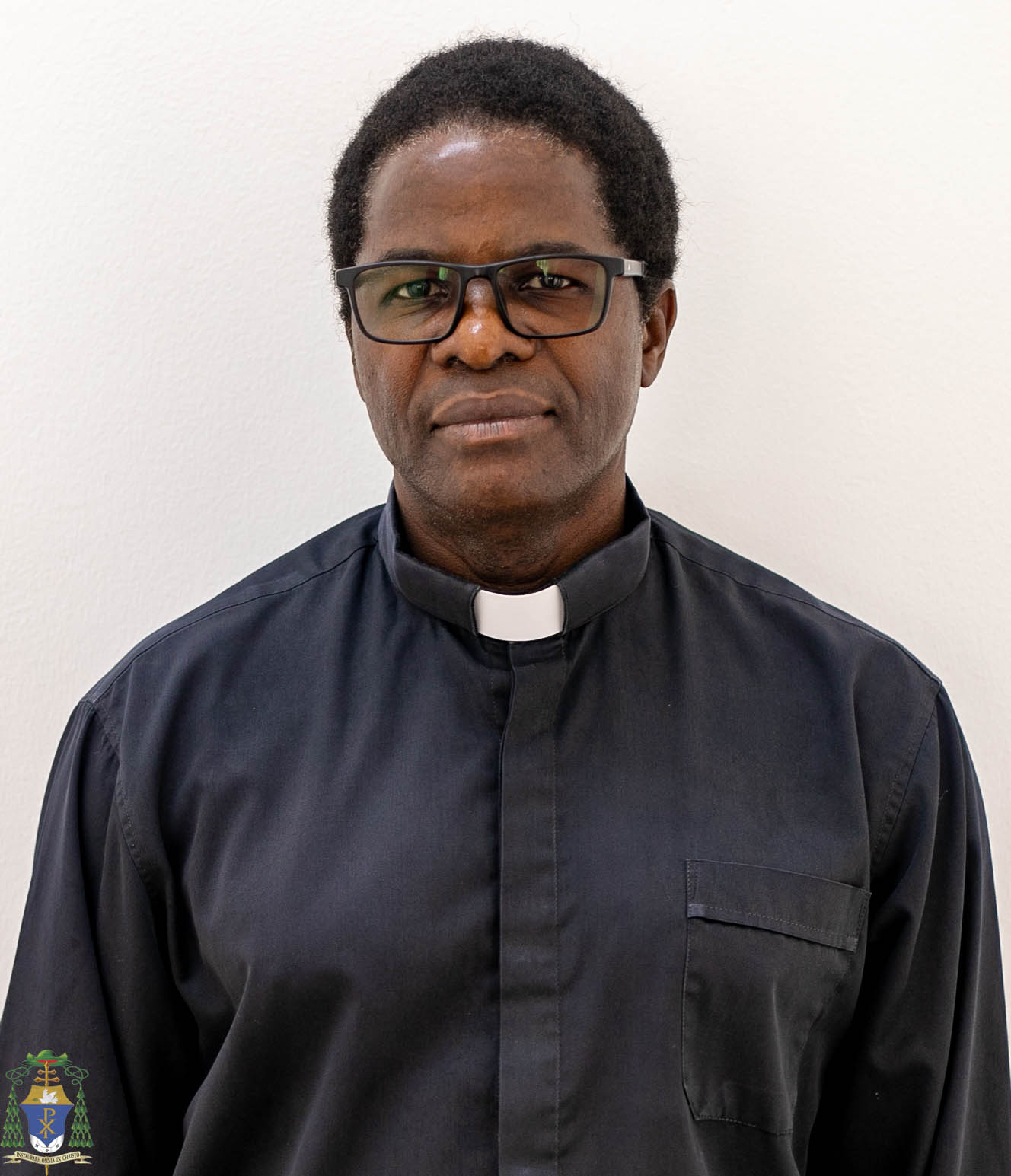
Lent - Second Week - Wednesday By Dc. Francis Mangeni
Matthew 20:17-28
Power and Privilege in the Kingdom of God
As Jesus was going up to Jerusalem, he took the Twelve disciples aside by themselves,
and said to them on the way,
“Behold, we are going up to Jerusalem, and the Son of Man will be handed over to the chief priests and the scribes,
and they will condemn him to death, and hand him over to the Gentiles to be mocked and scourged and crucified,
and he will be raised on the third day.”
Then the mother of the sons of Zebedee approached Jesus with her sons and did him homage, wishing to ask him for something. He said to her, “What do you wish?” She answered him, “Command that these two sons of mine sit,
one at your right and the other at your left, in your kingdom.”
Jesus said in reply, “You do not know what you are asking.
Can you drink the chalice that I am going to drink?” They said to him, “We can.” He replied,
“My chalice you will indeed drink, but to sit at my right and at my left, this is not mine to give but is for those for whom it has been prepared by my Father.” When the ten heard this,
they became indignant at the two brothers. But Jesus summoned them and said,
“You know that the rulers of the Gentiles lord it over them, and the great ones make their authority over them felt. But it shall not be so among you.
Rather, whoever wishes to be great among you shall be your servant; whoever wishes to be first among you shall be your slave. Just so, the Son of Man did not come to be served but to serve and to give his life as a ransom for many.”
For you, what does the Kingdom of God mean in your actual life? Do you seek to love and serve God’s people, or power and privilege in society?
1. Rather than privilege and power, we should seek to always do God’s will in obedience to Him, imitating our Lord Jesus Christ. The Sons of Zebedde got it so wrong, and so do we often times, when we expect Jesus to give us power and privilege for our personal advantage over others.
2. Jews at the time of Jesus expected it to be political, with a Messiah or leader who would drive out the occupying, imperialist Roman forces. Some expected the Kingdom of God to be Israel and its king and tribes ruling over the whole world. Others expected the coming of God Himself to rule on earth, with Israel having senior positions in that reign.
3. Our Lord Jesus Christ put together all Scripture on the Kingdom of God and fulfilled it. The Suffering servant of Isaiah 52 is the Good News, who in Isaiah 61:1 is for the poor, the prisoners, the blind and lame, those cast out and marginalised. Indeed our Lord proclaimed that in Him, this Good News was fulfilled. These similar values are to be the criteria for entry into the Kingdom, at the last judgment of the nations (Mt 25:31-46): ensuring that the hungry have meals, the thirsty have a drink, the naked are clothed, the sick are visited and treated, prisoners are visited and rehabilitated, for all these people are Jesus Himself.
4. The Kingdom of God is present and among us (Lk 17:21; Mt 1:23, 28:16-20; Jn 10:10, 14:23, 15:11, 17:3, 20:31). It’s God’s Lordship in our hearts, when our lives are conformed to God. When God rules in our hearts, when we are infused by the Holy Spirit that our Lord Jesus Christ sends into us, we bear the fruit of the Holy Spirit: love, joy, peace, kindness, patience, goodness (Gal 5:22-23). It’s grace, and we should start believing, acting and living according to the fruit of the Holy Spirit. The Kingdom of God also means the Good and Justice; it means ensuring human dignity, solidarity, subsidiarity and the Common Good.
5. The way the Kingdom of God came about, and continues to come about and to exist, the way we live it in our actual lives, is by the teaching and healing ministry of our Lord Jesus Christ, and His death and resurrection and ascension. It all hinges on the Cross. By His work on the Cross, He reconciled us to God, and we become God’s children through accepting this free gift, which we do by conversion and baptism, and our life in the Church. Our life in the Church and the Sacraments, and the Mass, nourish us in living in the Kingdom of God.
6. In the Kingdom of God, only the servant can become the lord. Those who are insulted, the poor, the humble, become exalted. The proud, the mighty, get sent away empty-handed. These are the Beatitudes, the Manifesto of our Lord Jesus Christ (Mt 5:1-12, Lk 6:20-26). We might find this counter-intuitive. But we soon realise that in real life, we should be and we welcome the kind of personalies described in the Beatitudes: those who trust God and rely on Him completely which gives them meaning, peace and stability in life, those who remain steady and joyful despite their mourning and suffering, who are humble by knowing their place and promptly deploying their full capacities for service, those who fight for us for Just and Good societies, the merciful who forgive us, the pure in heart who don’t lie to us or live superficially adoring the values of the world but live authentically, those who bring peace in our communities and across the world by reconciling people and promoting understanding, unity and solidarity, those who stand their ground against all oppression, insults, and accusations and remain faithful to God, always serving of the Common Good.
7. Looking own upon oneself, doing nothing, lack of confidence and motivation is not Gospel humility. Rather true humility is being like Jesus. Its obedience to God no matter the cost, promptly doing His will in the hear and now.
Power and Privilege in the Kingdom of God
As Jesus was going up to Jerusalem, he took the Twelve disciples aside by themselves,
and said to them on the way,
“Behold, we are going up to Jerusalem, and the Son of Man will be handed over to the chief priests and the scribes,
and they will condemn him to death, and hand him over to the Gentiles to be mocked and scourged and crucified,
and he will be raised on the third day.”
Then the mother of the sons of Zebedee approached Jesus with her sons and did him homage, wishing to ask him for something. He said to her, “What do you wish?” She answered him, “Command that these two sons of mine sit,
one at your right and the other at your left, in your kingdom.”
Jesus said in reply, “You do not know what you are asking.
Can you drink the chalice that I am going to drink?” They said to him, “We can.” He replied,
“My chalice you will indeed drink, but to sit at my right and at my left, this is not mine to give but is for those for whom it has been prepared by my Father.” When the ten heard this,
they became indignant at the two brothers. But Jesus summoned them and said,
“You know that the rulers of the Gentiles lord it over them, and the great ones make their authority over them felt. But it shall not be so among you.
Rather, whoever wishes to be great among you shall be your servant; whoever wishes to be first among you shall be your slave. Just so, the Son of Man did not come to be served but to serve and to give his life as a ransom for many.”
For you, what does the Kingdom of God mean in your actual life? Do you seek to love and serve God’s people, or power and privilege in society?
1. Rather than privilege and power, we should seek to always do God’s will in obedience to Him, imitating our Lord Jesus Christ. The Sons of Zebedde got it so wrong, and so do we often times, when we expect Jesus to give us power and privilege for our personal advantage over others.
2. Jews at the time of Jesus expected it to be political, with a Messiah or leader who would drive out the occupying, imperialist Roman forces. Some expected the Kingdom of God to be Israel and its king and tribes ruling over the whole world. Others expected the coming of God Himself to rule on earth, with Israel having senior positions in that reign.
3. Our Lord Jesus Christ put together all Scripture on the Kingdom of God and fulfilled it. The Suffering servant of Isaiah 52 is the Good News, who in Isaiah 61:1 is for the poor, the prisoners, the blind and lame, those cast out and marginalised. Indeed our Lord proclaimed that in Him, this Good News was fulfilled. These similar values are to be the criteria for entry into the Kingdom, at the last judgment of the nations (Mt 25:31-46): ensuring that the hungry have meals, the thirsty have a drink, the naked are clothed, the sick are visited and treated, prisoners are visited and rehabilitated, for all these people are Jesus Himself.
4. The Kingdom of God is present and among us (Lk 17:21; Mt 1:23, 28:16-20; Jn 10:10, 14:23, 15:11, 17:3, 20:31). It’s God’s Lordship in our hearts, when our lives are conformed to God. When God rules in our hearts, when we are infused by the Holy Spirit that our Lord Jesus Christ sends into us, we bear the fruit of the Holy Spirit: love, joy, peace, kindness, patience, goodness (Gal 5:22-23). It’s grace, and we should start believing, acting and living according to the fruit of the Holy Spirit. The Kingdom of God also means the Good and Justice; it means ensuring human dignity, solidarity, subsidiarity and the Common Good.
5. The way the Kingdom of God came about, and continues to come about and to exist, the way we live it in our actual lives, is by the teaching and healing ministry of our Lord Jesus Christ, and His death and resurrection and ascension. It all hinges on the Cross. By His work on the Cross, He reconciled us to God, and we become God’s children through accepting this free gift, which we do by conversion and baptism, and our life in the Church. Our life in the Church and the Sacraments, and the Mass, nourish us in living in the Kingdom of God.
6. In the Kingdom of God, only the servant can become the lord. Those who are insulted, the poor, the humble, become exalted. The proud, the mighty, get sent away empty-handed. These are the Beatitudes, the Manifesto of our Lord Jesus Christ (Mt 5:1-12, Lk 6:20-26). We might find this counter-intuitive. But we soon realise that in real life, we should be and we welcome the kind of personalies described in the Beatitudes: those who trust God and rely on Him completely which gives them meaning, peace and stability in life, those who remain steady and joyful despite their mourning and suffering, who are humble by knowing their place and promptly deploying their full capacities for service, those who fight for us for Just and Good societies, the merciful who forgive us, the pure in heart who don’t lie to us or live superficially adoring the values of the world but live authentically, those who bring peace in our communities and across the world by reconciling people and promoting understanding, unity and solidarity, those who stand their ground against all oppression, insults, and accusations and remain faithful to God, always serving of the Common Good.
7. Looking own upon oneself, doing nothing, lack of confidence and motivation is not Gospel humility. Rather true humility is being like Jesus. Its obedience to God no matter the cost, promptly doing His will in the hear and now.