LENT REFLECTION
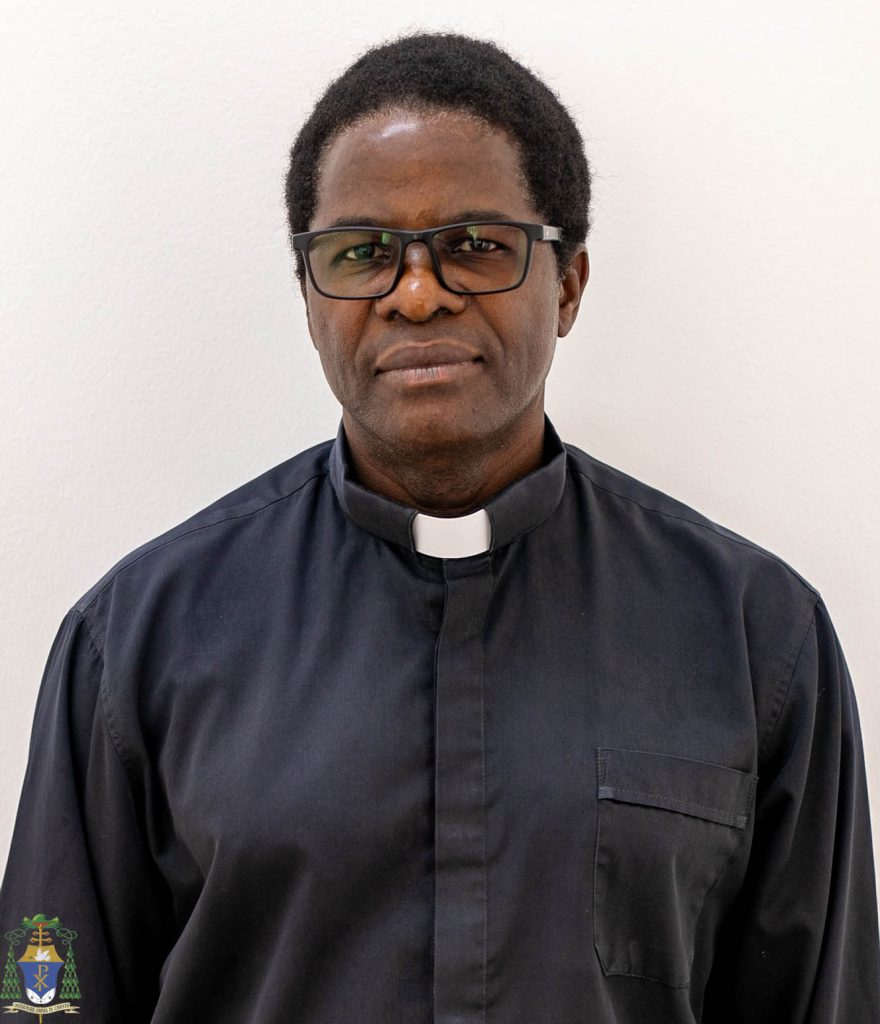
Tuesday of the Second Week of Lent Reflection by Dc. Francis Mangeni
Mt 23:1-12
Authenticity
Jesus spoke to the crowds and to his disciples, saying,
“The scribes and the Pharisees
have taken their seat on the chair of Moses. Therefore, do and observe all things whatsoever they tell you,
but do not follow their example.
For they preach but they do not practice. They tie up heavy burdens hard to carry and lay them on people’s shoulders,
but they will not lift a finger to move them. All their works are performed to be seen. They widen their phylacteries and lengthen their tassels. They love places of honor at banquets, seats of honor in synagogues, greetings in marketplaces, and the salutation ‘Rabbi.’
As for you, do not be called ‘Rabbi.’ You have but one teacher, and you are all brothers. Call no one on earth your father; you have but one Father in heaven.
Do not be called ‘Master’;
you have but one master, the Christ. The greatest among you must be your servant. Whoever exalts himself will be humbled;
but whoever humbles himself will be exalted.”
Let’s all be Christ-like. He is authentic and humble. And let each one of us be a parent to all God’s people and all His creation.
1. We could each replace “Scribes and Pharisees” in this Gospel Reading with our names. We are each painfully aware of the hypocrisy in our lives; we don’t practice what we preach, whether that be in our homes, at work, at school, in our communities, in public administration, and as Church both as hierarchy and as the People of God. We fall short often. Today, our Lord Jesus Christ calls upon us to match our words and sentiments with our actions and how we live. Our actual lives should be God’s living word in action. We should receive and allow our Lord Jesus Christ to be incarnated in us, so that it is no longer I who live, but Jesus Christ who lives in me, as St Paul says (Gal 2:20). We should allow ourselves to always be guided by the Holy Spirit, shown in lives of love, joy, peace, kindness, patience, goodness (Gal 5:22-23).
2. Also, we can find ourselves persuaded and captured by the prevalent values that advance personalities and ideologies of greed, self-adoration and pride. It’s all about me, me and myself. Destroying others in the process, or not caring about the fate of others. Jesus was not like that at all, and we must never be like that.
3. All around us we see destructive selfishness, individualism, domination, oppression, exploitation, recklessness and relativism. There is a contagious culture of death that tries to drive humankind and world affairs, all the way right down to our communities and families. Success is presented as ostentation; as having things with which to show-off; as being better than others, despising and marginalising them. In the end, we realise that all these things and this mindset lead to our emptiness. They don’t give us the ultimate meaning in life. Rather, authenticity is what should matter. It’s so much lighter and easier to be our true selves, rather than being pretentious or imitating or competing with others. It’s actually much easier to be Christ-like, for this gives one complete freedom. To be Christ-like is to be truly and fully human; loving God and neighbour, receiving the Holy Spirit, teaching and healing others, advancing social justice, and ensuring the common good.
4. As Christians, we share in the three-fold office of our Lord Jesus Christ, being kings, priests, and prophets. To be king is to serve in humility as Christ did, rather than to dominate and oppress others. We bless and pray for others and lead them to God in whatever circumstances they may find themselves. We speak God’s word to others, undertaking integral evangelisation throughout our communities and the world. We do all these in total humility and dependence on God; we do it as God’s work. We don’t do any of this in pride, nor as masters who seek honour, titles and dignity. We don’t do this in an elitist manner, claiming to be superior or holier than others.
5. There is one Priest, our Lord Jesus Christ, and one Priesthood. Ministerial or Ordained Priesthood shares in the Priesthood of Christ in a sacramental way. Priests are therefore Christs in our midst. This is the Priestly calling; to be Christ physically present in our midst, to be Christ to God’s beloved people.
6. Can we call someone Dad or Father? Yes, of course. Our Lord Jesus Christ was speaking against the elitist disposition of self-righteousness, superiority and title-seeking of the scribes and pharisees. Rather, Jesus taught humility particularly on the part of those in power. He wanted the supreme focus to be on God as the source of all power and all teaching. Jesus did not abolish the Fourth Commandment; to honour our parents. He lived in obedience to His parents when growing up (Lk 2:51). In His public Ministry, He worked with parents, healing their children. The Apostles, including St Paul and St John, didn’t understand Jesus to abolish the family or the expression Father. In several Letters, St Paul and St John refer to their audiences as children (1 Cor 4:14, 1 John 3:18). They considered themselves spiritual Fathers.
7. We are all to be Fathers and Mothers to all people, participating in God’s Fatherhood, and imitating Him, made in Him image, and coming to resemble Him ever more as His children. We are to take care of all God’s people and all His creation wherever we may be.