Is Jesus the One to Come, or should we wait for another?
Third Sunday of Advent, Year A – Gaudete Sunday (Isaiah 35:1-6,10; Psalm 145; James 5:7-10; Matthew 11:2-11)
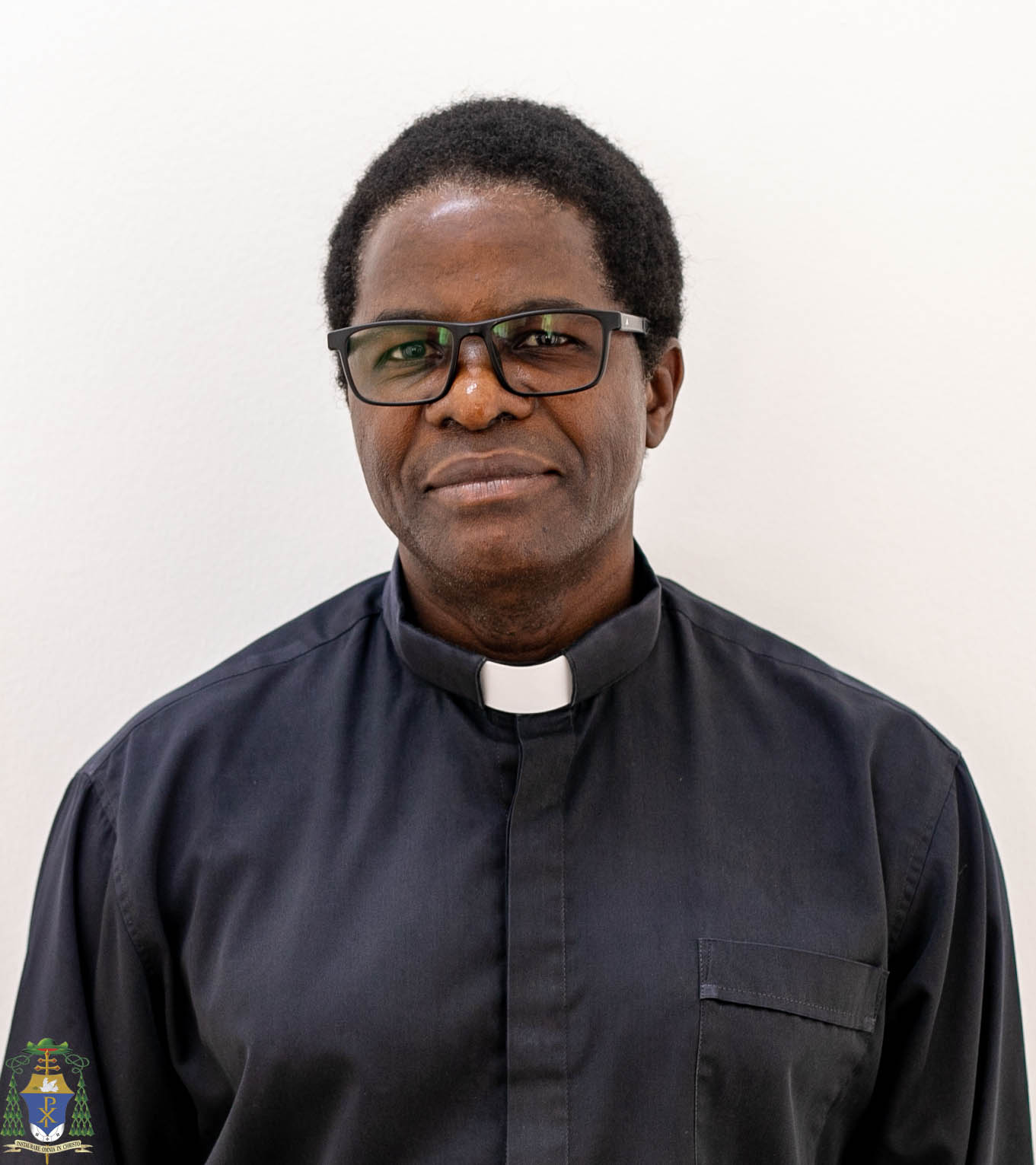
Homily By Dc. Francis Mangeni
LIKE John the Baptist, we too continue to ask our Lord Jesus Christ today: are you the one to come, or should we wait for another? John the Baptist was in his prime, being just about 30 years of age and therefore things should have been going well for him, yet he was wasting away in a prison fortress in Machaerus for telling King Herod Antipas that it was wrong to marry his brother’s wife, that is, John was a good person who was unjustly treated; much like us many times. May I please invite us all to answer this question right now, at a very personal level. And throughout this week, may we please answer this question as family, as community here at the Parish and at work and school, and indeed as a nation in our civic life.
Today is Gaudete Sunday, the third in the Liturgical Season of Advent. Mother Church has celebrated Gaudete Sunday in Advent, just as we celebrate Laetare Sunday during Lent, as an evolving practice since the 5th century that had matured by the 12th century, as a reminder during these penitential seasons of the abiding joy of a Christian. As St Paul tenderly tells the Phillipians:
4 Rejoice in the Lord always; again I will say, Rejoice. 5 Let your gentleness be known to everyone. The Lord is near. 6 Do not worry about anything, but in everything by prayer and supplication with thanksgiving let your requests be made known to God. 7 And the peace of God, which surpasses all understanding, will guard your hearts and your minds in Christ Jesus (Phil 4:4-7).
There is no such thing as a sullen or brooding Catholic, especially during Advent, leading to Christmas, and all through the year. May I say to you all, keep smiling, and offer it all to God.
All this rejoicing is also the occasion to ask ourselves, at the most inner level: do I know that Jesus is the one to come? And I must not wait for another?
That is, do I believe in God the creator, the saviour, the giver of life and sanctifier – that is, in God the Father, the Son, and the Holy Spirit; and in Mother Church and the communion of saints, the sacraments, forgiveness of sin, the resurrection, the life to come, and fullness of life? This is our faith, that we profess, every time we say our Creed. Do we really believe and live it, everyday? The only sensible answer to this question is YES; on the basis of Sacred Scripture which is revelatory of our Lord Jesus Christ as the revelation of God, the unbroken Apostolic Tradition and actual History since the earthly life of our Lord Jesus Christ, our Reason if we dare to seek the explanation of why there is anything at all rather than nothing, and our experience as individuals, families, communities, humankind as well as the entire cosmos that is finely tuned for our existence.
Every difficulty can be an occasion for us to wonder where God is, and why He has allowed this or that evil to happen. Even when things are going well, we want them better, and ask God to make them better. We might not even be grateful for what we have, let along recognise the good that we have; that we could instead turn to God in gratitude and praise for. During this Advent, we can pay particular attention to the Responsorial Psalms, as they express our thanksgiving, our praise, and our trust in God. Psalms 103 and 145 last week; and Psalms 25, 34, 71 and 72 this week, for instance. If we care to look back and remember all the good people who have been in our lives, the difficulties that have come and gone, and the simple pleasures like the air we breathe and the beauty of the natural world, how on their own our hearts continue to function and how we continue to think – then we can have lots to be grateful to God for.
So, why do we rejoice? The First Reading has told us of what God does in history, in geography or the natural world, and in our lives. He liberates us from what holds us captive, just as he liberated Israel from captivity in Babylon. He makes deserts green, renewing what is feeble and desolate. He heals the blind, the deaf, the lame and the mute. We rejoice because God reveals Himself to us in the Scriptures. The first reading foretold and prefigured, our Lord Jesus Christ, who did exactly as much. The disciples of John the Baptist took this good news back to him in prison, and he rejoiced, just as he rejoiced in his mother’s womb at Mary’s greeting. John himself preached conversion, mercy, charity, and foretold the Holy Spirit and the fire that our Lord Jesus Christ would bring, to destroy sin like the chaff. John did not expect our Lord Jesus Christ to pick up axes and swords and go about chopping bad people to death. That was not our Lord’s approach to defeating death and sin. It was through love, mercy and the cross: very much as John the Baptist himself preached and lived. We rejoice because God is love and is compassionate and tender towards us. He gazes lovingly at us; do we take time to lovingly gaze back and smile with our Lord Jesus Christ? See for instance, our Lord speaks so fondly of John the Baptist in the Gospel reading of today! In such flying poetry, our Lord provides us a profile of John the Baptist, calling him a man of gravitas, more than a prophet, indeed the greatest. Our Lord rejoices in us, and celebrates us.
And how are we to rejoice? We rejoice by staying awake, ever ready to meet our Lord; this being the overall theme of Advent. We are to be awake and ready to receive our Lord as He comes to us in Scripture, the Eucharist, in all those in need, and in the signs of the times that call for infusing Gospel values in our family, community and public life. We rejoice by being patient, as St James explains and asks of us in the second reading. We are to be patient like the farmer who waits for the crops to grow. We are to be firm in our faith, we are not to be the complaining or grumbling type, and we are to follow the example of the prophets who suffered persecution and remained faithful to God. For example, Jeremaiah was stoned to death by his own people. And Isaiah was cut into half with a saw at the orders of king Manasseh. We are to live the beatitudes.
And when are we to rejoice? We are to rejoice always. We are to rejoice particularly when called upon to witness to our Lord Jesus Christ, like the prophets. The tumble and randomness of life is such that we will be rubbed the wrong way from time to time. But we are to be the salt of life, making life tasty
for all God’s people; we are to be the light of the world, leading and inspiring all to love and celebrate God.
May this Gaudete Sunday fill us all with joy in our Lord Jesus Christ.
Amen.