LENTEN REFLECTION
The Solemnity of The Annunciation of The Lord
Isa 7:10-14, 8:10; Ps 40; Heb 10:4-10; Jn 1:14; Lk 1:26-38
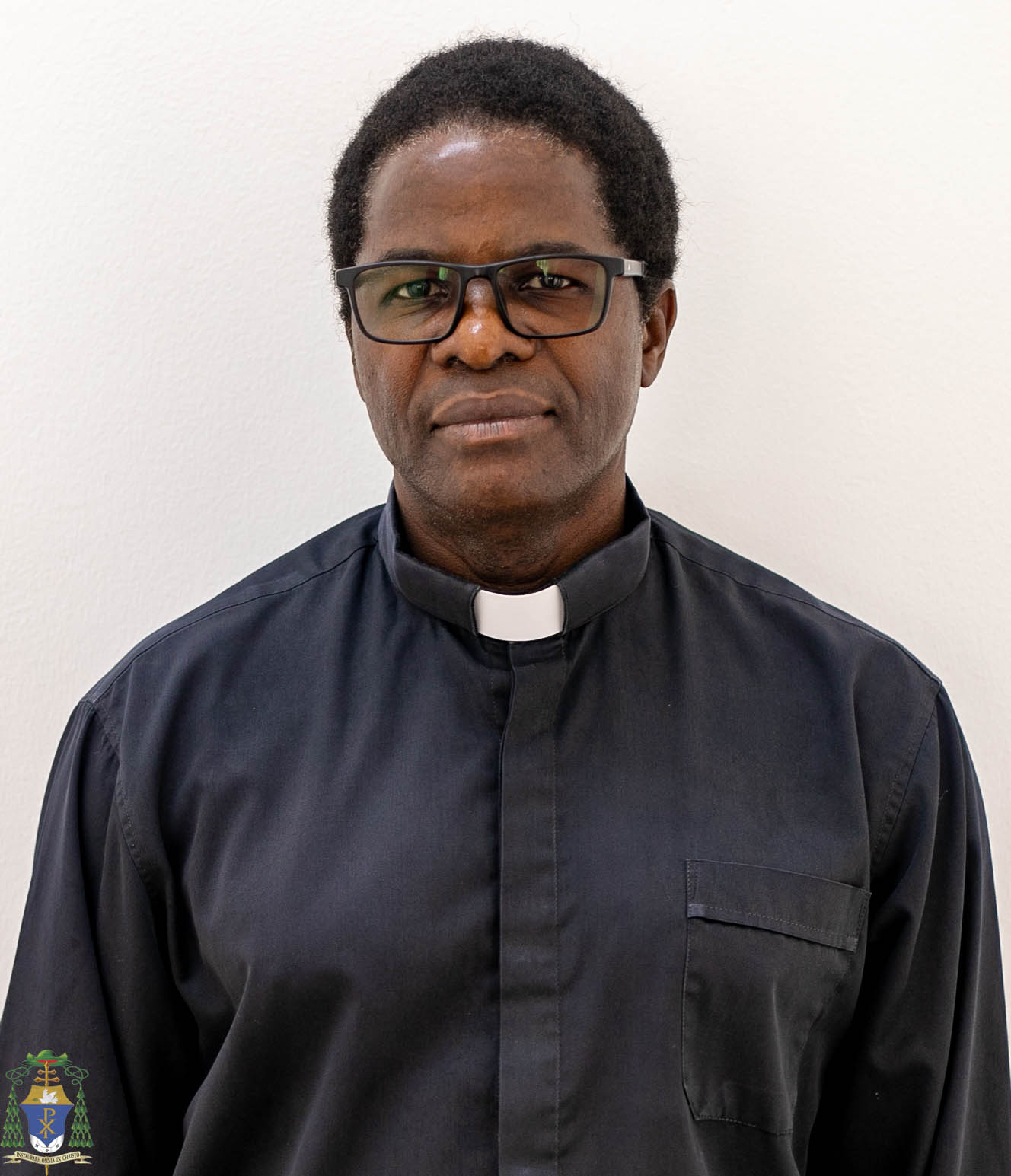
By Dc. Francis Mangeni
Message
The Annunciation of the Incarnation of God, when God became flesh and dwelt among us, at a particular point in our human history (Lk 1:5), when we can see the face of the invisible God, is a solemnity of great rejoicing in gratitude to God. God saved us.
Gospel Reading
26 In the sixth month the angel Gabriel was sent by God to a town in Galilee called Nazareth, 27 to a virgin engaged to a man whose name was Joseph, of the house of David. The virgin’s name was Mary. 28 And he came to her and said, “Greetings, favoured one! The Lord is with you.” 29 But she was much perplexed by his words and pondered what sort of greeting this might be. 30 The angel said to her, “Do not be afraid, Mary, for you have found favour with God. 31 And now, you will conceive in your womb and bear a son, and you will name him Jesus. 32 He will be great and will be called the Son of the Most High, and the Lord God will give to him the throne of his ancestor David. 33 He will reign over the house of Jacob forever, and of his kingdom there will be no end.” 34 Mary said to the angel, “How can this be, since I am a virgin?” 35 The angel said to her, “The Holy Spirit will come upon you, and the power of the Most High will overshadow you; therefore the child to be born will be holy; he will be called Son of God. 36 And now, your relative Elizabeth in her old age has also conceived a son, and this is the sixth month for her who was said to be barren. 37 For nothing will be impossible with God.” 38 Then Mary said, “Here am I, the servant of the Lord; let it be with me according to your word.” Then the angel departed from her.
There are many things we can do today. Some couples might try for a Christmas baby! Mother Church today invites us to ponder in utter wonder the mystery of the Incarnation, that God became flesh and dwelt among us (Jn 1:14), and to emulate our Lady, Mary, the Great Mother of God, Mother Most Holy in her fiat: “38 Then Mary said, ‘Here am I, the servant of the Lord; let it be with me according to your word’” (Lk 1:38).
Mary is our totally superb model of saying YES to God, permanently, irrevocably, humbly and with total joy. She had meant to be a consecrated virgin all her life, but obeyed God and changed her plans. She cooperated with God, to participate in working the salvation of humankind and all creation. She became Mother of God; something otherwise unthinkable. When we present ourselves to God, and cooperate with Him, He works wonders with us and totally transforms us and all around us. We should be God’s instruments for the common good of all creation. And we can wholly consecrate ourselves totally to our Lord Jesus Christ through Mother Mary; totally, totus tuus. We can bring Mother Mary vividly into our lives, through devotion to her; for instance regularly saying the Rosary, to know and love our Lord Jesus Christ as she did; we can venerate her statues, hyperdulia, but not worship her, for this latria is for God alone; we can sing the Salve Regina often, particularly at the end of Mass; and daily pray the Magnificat and Angelus. Grottos in our communities and homes are vivid ways of living with Mary, ever present to her; out of total love for her, as our Mother and the Great Mother of God, Mother Most Holy.
God became flesh in Mary’s womb; that is where the incarnation happened: “30 The angel said to her, ‘Do not be afraid, Mary, for you have found favour with God. 31 And now, you will conceive in your womb and bear a son, and you will name him Jesus.’” (Lk 1:30-31). Jesus was born divine: “35 The angel said to her, ‘The Holy Spirit will come upon you, and the power of the Most High will overshadow you; therefore the child to be born will be holy; he will be called Son of God.’” (Lk 1:35). Mary is the Mother of God; The Theotokos. Jesus was pre-existent, co-eternal and equal with God the Father, before He was born and for all time; He is the visible face of the invisible God (Jn 1:1-4, 10:30, 14:9; Gaudium et Spes 22). So, Jesus did not become divine at His baptism or at the resurrection, nor was He created, as some heretics claimed. Jesus is true God and true Man. Only as true God and true man could He work our salvation. As God, He forgives our sin and redeems us. As man, he assumes our fallen humanity, and recapitulates or re-lives it all and sanctifies it backwards to Adam and forwards to the end of time, as the genealogies remind us (Lk 3:23-38; Mt 1:1-17). His body becomes the one permanent, self-offering sacrifice that works our redemption for once and for all (Heb 10:4-18, Ps 40). We relive this at every Mass; commemorating and making it present; celebrating it on earth and in heaven whenever we say the Mass. The incarnation is God’s self-less, self-emptying love for His creation. God cares for His creation, and we imitate Him in caring for His creation.